
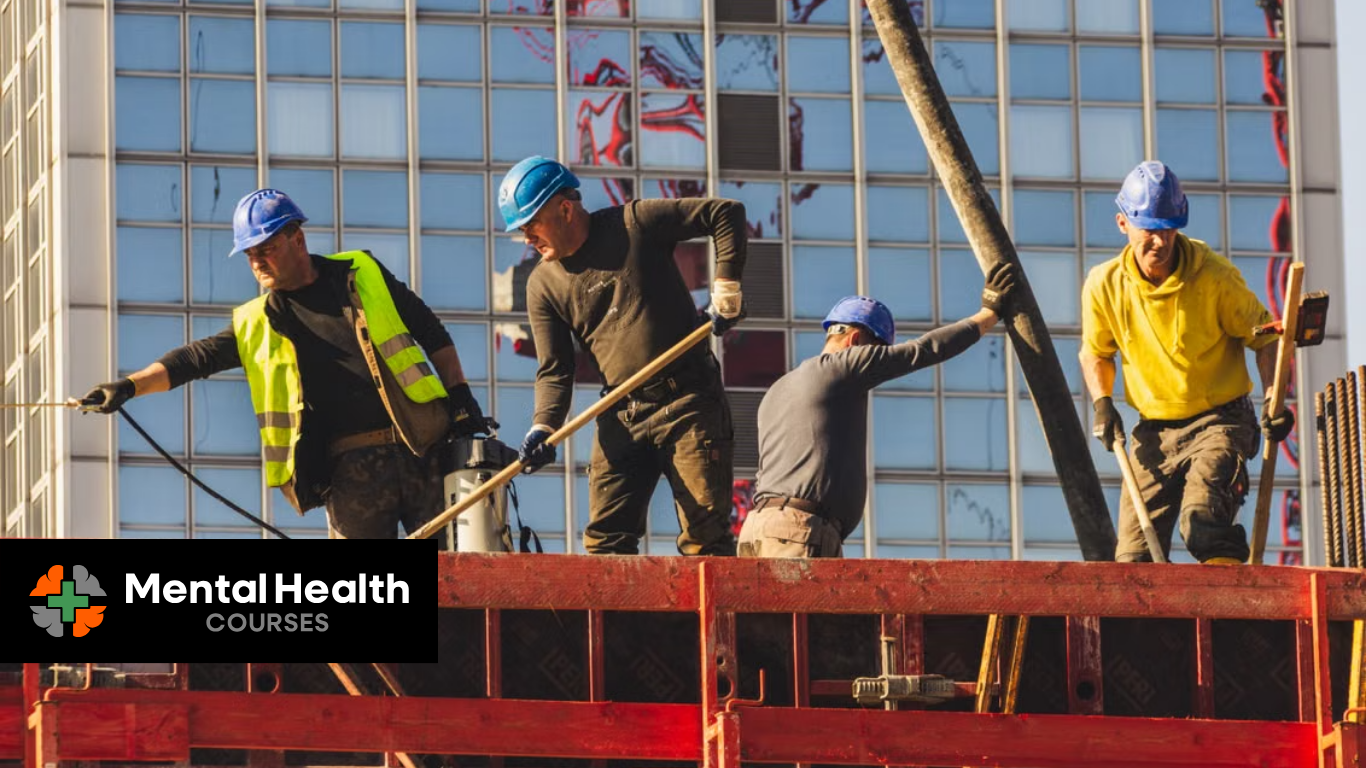
Construction is one of the UK’s most demanding industries. Tight deadlines, physically demanding work, changing environments and financial pressures all contribute to a workplace where stress can quickly build. While organisations have made significant progress in improving physical safety, mental health is now emerging as an equally important priority.
Many construction companies have invested in Mental Health First Aid training to raise awareness and encourage conversations around mental wellbeing. However, awareness alone is not always enough. Employees and supervisors also need the confidence to recognise when someone may be struggling, respond appropriately and signpost them towards further support. This is where Mental Health First Responder training can make a meaningful difference.
Mental health challenges in the construction industry
Construction workers often experience pressures that differ from those in many other sectors. Long working hours, physically demanding tasks, changing project locations and concerns about job security can all affect mental wellbeing. For many, these challenges are combined with a workplace culture where asking for help may still feel difficult.
Research has consistently shown that the construction industry experiences disproportionately high levels of mental health difficulties and suicide compared with many other professions. This highlights the need for organisations to treat psychological wellbeing with the same seriousness as physical safety. For instance, research from the University of Warwick found that male construction workers in the UK are nearly four times more likely to die by suicide than the national average, underlining the urgent need for better mental health support across the industry.
When employees are struggling with their mental health, the effects can extend beyond the individual. Poor concentration, fatigue, increased stress and reduced communication can all influence decision-making and potentially increase workplace risks. Supporting mental wellbeing is therefore not only the right thing to do for employees but also contributes to a safer, healthier and more productive workplace.
Physical safety and mental wellbeing go hand in hand
Construction companies already invest heavily in preventing physical accidents. Employees receive training on hazard awareness, manual handling, fire safety and first aid because preparation saves lives.
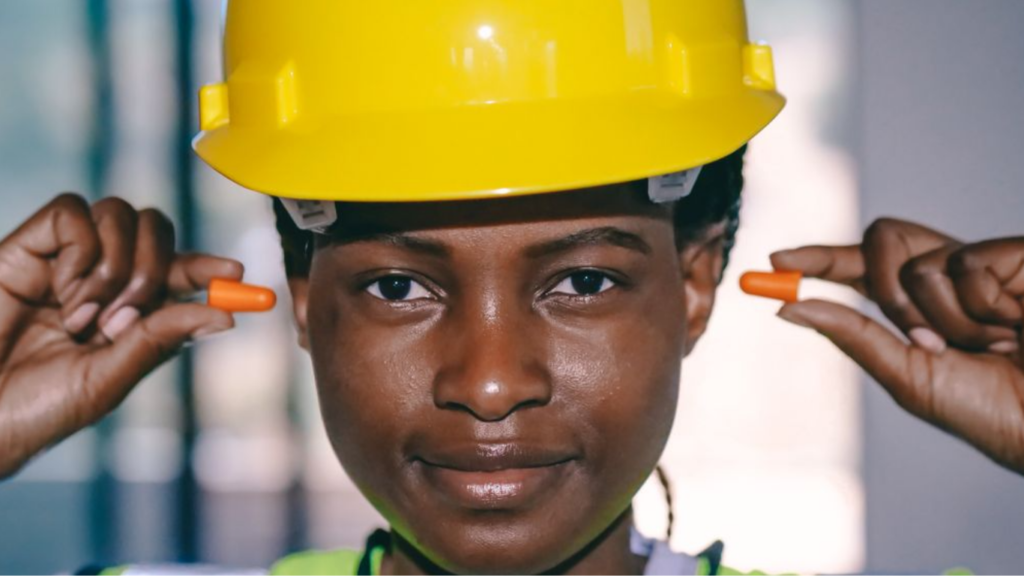
Mental health deserves the same proactive approach.
Just as physical first aiders provide immediate support until professional medical help is available, trained colleagues can provide an initial response when someone is experiencing emotional distress or showing signs that they may need support. Early conversations can encourage people to seek help before problems escalate into a crisis.
Creating a safer workplace means recognising that physical and psychological safety are closely connected.
Mental Health First Aid has made a valuable contribution, but expectations have evolved
There is no doubt that Mental Health First Aid has helped organisations move from simply talking about mental health to taking action. By equipping employees with the knowledge to recognise signs of mental ill health and start supportive conversations, it has encouraged many workplaces to take wellbeing more seriously and create a more open culture.
However, over time, the expectations placed on Mental Health First Aiders have often expanded beyond the purpose of the role. In some organisations, they have unintentionally become the first point of contact for every wellbeing concern, leaving colleagues to expect them to have the answers or provide ongoing emotional support.
In reality, Mental Health First Aiders are not counsellors, therapists or mental health professionals. They are employees with additional training who volunteer to provide an initial response, listen without judgement and signpost colleagues to appropriate support. Expecting them to take on responsibilities beyond their training can place unnecessary pressure on individuals who are simply trying to support their colleagues.
This challenge can be particularly significant in the construction industry. Site managers, supervisors and operatives work in fast-paced environments where decisions often need to be made quickly. They need practical skills that can be applied confidently in real workplace situations, without creating the expectation that they should act as mental health professionals.
This is where Mental Health First Responder training provides a practical alternative. Rather than creating the perception that one person is responsible for everyone else’s wellbeing, it equips participants with the confidence to recognise concerns, respond appropriately within the boundaries of their role and encourage colleagues to access professional support when needed.
Why Mental Health First Responder training offers a practical next step
A Mental Health First Responder is not a counsellor, therapist or mental health professional. Instead, they are trained to recognise potential signs of mental distress, respond with confidence, listen without judgement and help individuals access appropriate support.
This practical approach is particularly valuable within the construction industry. Site managers, supervisors and operatives work in fast-paced environments where they may notice that a colleague is unusually withdrawn, overwhelmed or under significant pressure. In those moments, the most important question is not “Can I solve this person’s problem?” but “Do I know how to respond?”
Mental Health First Responder training is designed around that principle. Rather than expecting participants to diagnose conditions or provide ongoing support, it equips them with the confidence to take the appropriate first step, have a supportive conversation and signpost colleagues towards professional help where needed.
At Mental Health Courses, this commitment to practical confidence is reflected in our Willingness Guarantee. We believe the success of training should not be measured simply by what participants know at the end of the course, but by whether they feel willing and confident to act when someone needs support. If participants do not leave feeling more willing to step forward and respond appropriately, we will refund the cost of the course.
Participants build this confidence through realistic workplace scenarios that reflect the challenges they may face on construction sites. They develop practical communication skills, understand the boundaries of their role and learn how to respond calmly and appropriately without feeling that they must become a counsellor or therapist.
Rather than replacing existing wellbeing initiatives or Mental Health First Aid programmes, Mental Health First Responder training complements them by ensuring organisations have people who are prepared to respond when support is needed most. For construction companies, where timely action and practical decision-making are part of everyday working life, having employees who are willing to take that first step can make all the difference.
Why construction companies are investing in Mental Health First Responder training
Forward-thinking construction organisations increasingly recognise that mental wellbeing is part of overall site safety and organisational resilience.
Mental Health First Responder training can help organisations:
- Build confidence among supervisors and site managers to respond to wellbeing concerns.
- Encourage earlier conversations before issues become more serious.
- Reduce stigma surrounding mental health.
- Support a culture where employees feel comfortable asking for help.
- Complement existing health and safety procedures with practical mental health support.
- Demonstrate a genuine commitment to employee wellbeing.
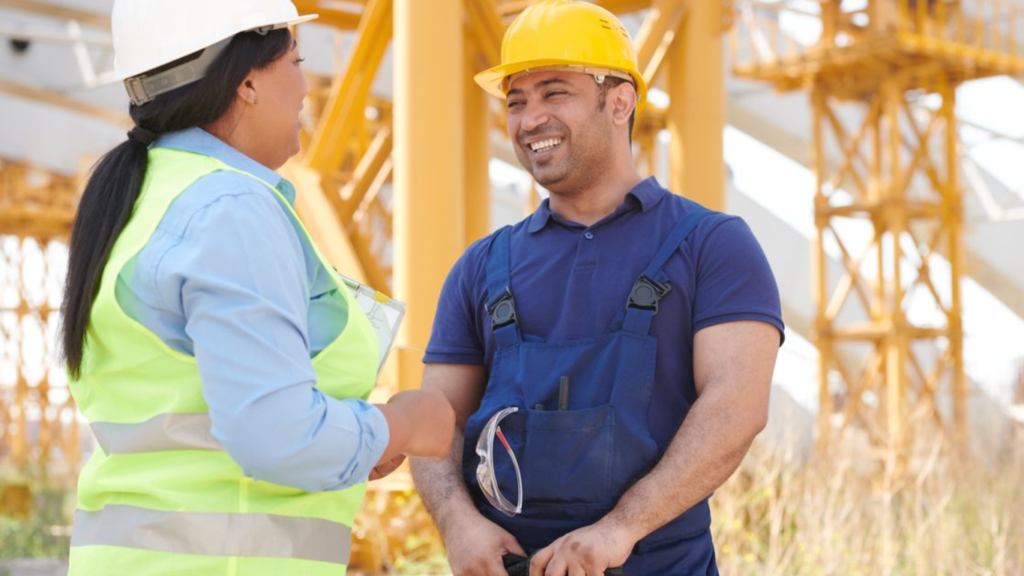
Importantly, Mental Health First Responder training is not about expecting employees to solve complex mental health problems. It is about ensuring that someone knows how to respond appropriately, provide reassurance and guide colleagues towards the right professional support.
Supporting a stronger safety culture
Construction companies often speak about creating a culture where everyone looks after one another. Extending that mindset to mental wellbeing can strengthen teamwork, trust and communication across every level of an organisation.
When employees know that their wellbeing matters, they are more likely to speak up about concerns, support colleagues and contribute to a healthier working environment. Over time, this helps create workplaces where psychological safety becomes part of everyday operations rather than something discussed only after a crisis.
Conclusion
The construction industry has transformed its approach to physical safety over recent decades. Mental wellbeing is the next important step in creating safer and healthier workplaces.
While Mental Health First Aid has helped many organisations raise awareness, Mental Health First Responder training provides the practical skills and confidence needed to respond when colleagues need support. Together, these approaches can help construction companies build a culture where employees feel heard, supported and able to access help at the earliest opportunity.
Investing in Mental Health First Responder training is not simply about meeting expectations around workplace wellbeing. It is about equipping people with the confidence to support one another, strengthening safety culture and helping ensure that everyone goes home not only physically safe, but mentally well too.