
When people hear the phrase risk assessing mental health, they often think of hospitals, psychologists or mental health services. While these professionals regularly carry out mental health risk assessments, they are not the only people who need to understand the process.
Employers have a legal duty under the Health and Safety at Work etc. Act 1974 to protect the health, safety and welfare of employees. This duty includes mental health, with the Health and Safety Executive (HSE) recognising work-related stress as a health and safety issue that employers are expected to manage.
As awareness of workplace wellbeing continues to grow, employers are recognising that mental health is also a health and safety issue. Managers, HR professionals and Mental Health First Responders are often the first to notice when a colleague is struggling, making it important to understand what risk assessing mental health actually means and when action may be needed.
Importantly, this does not mean employers are expected to diagnose mental health conditions or replace healthcare professionals. Instead, it means recognising potential risks, responding appropriately and ensuring employees receive the right support.
Risk Assessing Mental Health Is About Understanding Risk, Not Predicting the Future
One of the biggest misconceptions about risk assessing mental health is that it is about predicting what someone will do.
It isn’t.
A mental health risk assessment is about understanding the person’s current circumstances, identifying factors that may increase or reduce risk, and deciding what support or intervention may be appropriate. Like any workplace risk assessment, it helps people make informed decisions based on the information available at the time.
No assessment can predict the future with complete certainty, but it can help identify warning signs that should not be ignored.
What Risks Are Being Assessed?
When people hear the word “risk”, they often think only about suicide. While suicide risk is an important consideration, risk assessing mental health involves looking at a much wider picture.
Depending on the situation, a risk assessment may consider whether someone is at risk of self-harm, suicide, neglecting their own wellbeing, being exploited by others, or experiencing a significant deterioration in their mental health. In some situations, there may also be concerns about the risk of harm to other people, although this is much less common than many people assume.

Within the workplace, the assessment may also consider whether work-related factors such as excessive workload, bullying, conflict, organisational change or financial pressures are contributing to the person’s distress. Understanding these contributing factors allows organisations to provide more meaningful support rather than simply reacting to a crisis.
Why Risk Assessing Mental Health Matters at Work
Mental health can change quickly, particularly when someone is experiencing multiple pressures inside or outside work.
An employee who appeared to be coping a few weeks ago may suddenly become overwhelmed following bereavement, relationship difficulties, financial problems or increasing workplace demands. Often, colleagues or managers notice subtle changes before a crisis develops.
These changes might include withdrawing from colleagues, increased sickness absence, noticeable changes in mood or behaviour, difficulty concentrating, reduced performance or comments that suggest feelings of hopelessness.
Recognising these warning signs early allows employers to begin supportive conversations, explore whether additional help is needed and, where appropriate, seek specialist support before the situation escalates.
Is Risk Assessing Mental Health Only for Healthcare Professionals?
No.
Clinical mental health risk assessments are carried out by qualified healthcare professionals, but employers also have an important role to play.
Managers, HR professionals and Mental Health First Responders are not expected to diagnose mental illness or make clinical decisions. Instead, they should be able to recognise when someone may be at immediate risk, ask appropriate questions, listen without judgement and know when concerns should be escalated.
Having this understanding helps organisations respond with confidence rather than uncertainty when someone appears to be struggling.
What Does a Workplace Mental Health Risk Assessment Consider?
Every organisation will have its own procedures, but effective risk assessing mental health generally involves building a clear picture of the person’s current situation rather than simply working through a checklist.
This may include understanding what has changed recently, how the person is feeling, whether they have expressed thoughts of self-harm or suicide, what support they already have, whether there are protective factors such as family or professional support, and whether there are immediate risks that require urgent action.
Workplace factors should also be considered. High workloads, unrealistic expectations, poor management relationships, bullying, organisational change or job insecurity can all contribute to someone’s mental wellbeing and should not be overlooked when assessing risk.
Why Asking Difficult Questions Matters
Many managers worry that asking someone directly whether they are thinking about suicide could make the situation worse.
Research has consistently shown this is not the case.
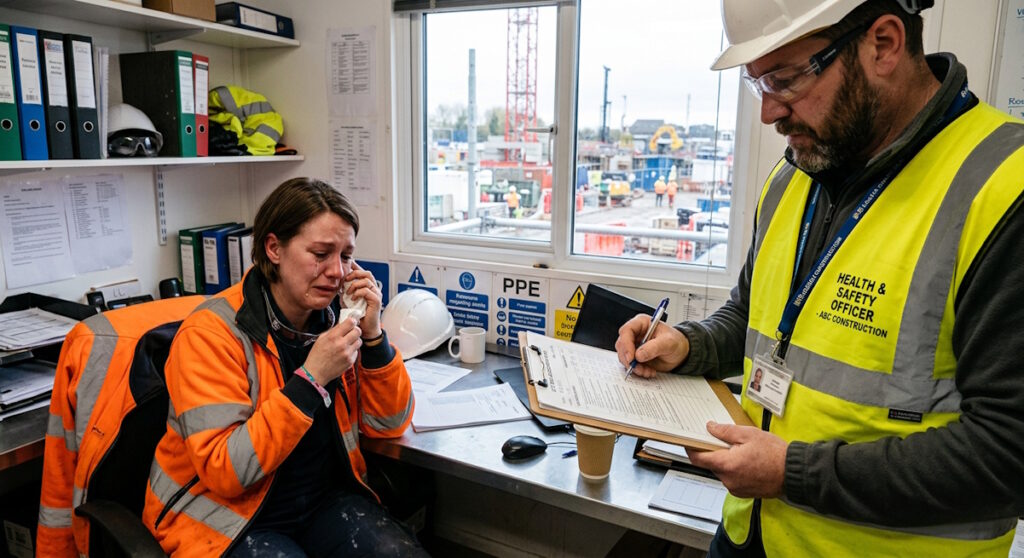
In reality, asking direct but compassionate questions can help someone feel heard and may encourage them to speak openly about thoughts they have been hiding. Honest conversations also provide a much clearer understanding of the level of risk than relying on assumptions or hoping the situation will improve by itself.
Learning how to have these conversations confidently is an important part of risk assessing mental health.
Risk Assessment Is an Ongoing Process
Mental health is not static, and neither is risk.
Someone who appears to be coping today may need much greater support after a significant life event. Equally, someone experiencing severe distress may improve once they receive appropriate treatment or workplace adjustments.
For this reason, risk assessing mental health should never be viewed as a one-off conversation. Following up with employees, reviewing concerns and checking whether support remains effective are all essential parts of creating a psychologically safe workplace.
Creating Safer Workplaces Through Early Intervention
Ultimately, risk assessing mental health is about recognising when someone may need help and taking appropriate action before a situation becomes more serious.
It does not require managers or HR professionals to become mental health experts. It requires them to notice changes, have supportive conversations, understand when risk may be increasing and know how to access appropriate support.
By developing these skills, organisations can respond earlier, reduce the likelihood of crises and create workplaces where employees feel supported, valued and safe.
Looking to Take the Next Step?
Knowing how to risk assess mental health is only one part of building a safer workplace. Health & Safety professionals also need access to trusted guidance, practical tools and ongoing development to help them manage both physical and psychological risks.
Our Health & Safety Hub brings everything together in one place, including expert-led webinars, accredited training, consultancy support, downloadable resources and our Accountability Package, making it easier to strengthen your organisation’s health and safety strategy.
For more practical guidance on recognising and responding to mental health risks, visit our Risk Assessing Mental Health Hub.
If you’re looking to develop the confidence to recognise mental health risks, have supportive conversations and respond appropriately when someone may be at immediate risk, explore our Risk Assessing Mental Health Course, where you’ll find practical guidance, resources and professional training designed specifically for workplace settings.